
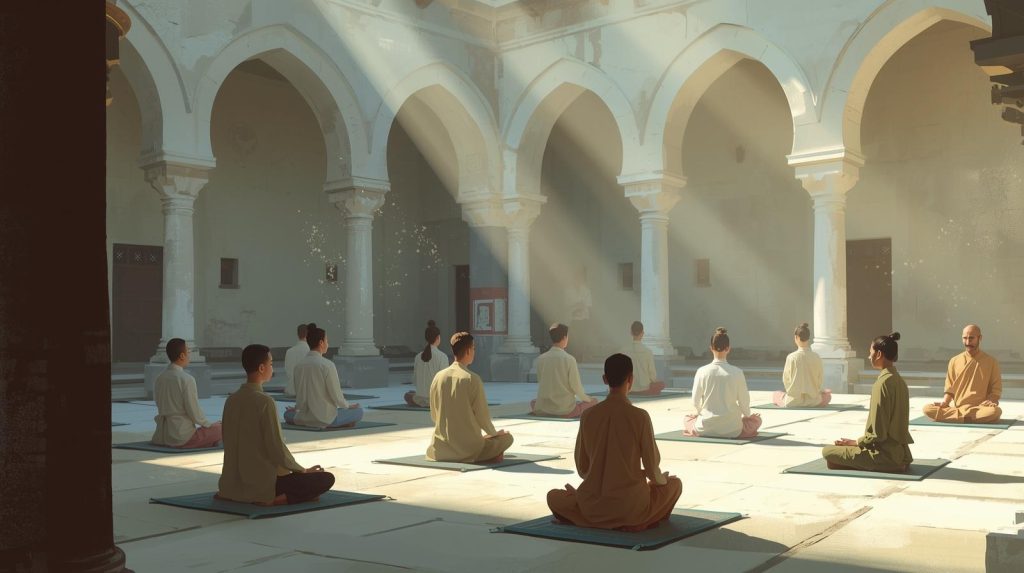
In today’s fast-paced world, stress, distractions, and mental clutter are common challenges. Meditation provides a way to reconnect with yourself, cultivate mindfulness, and restore balance. For beginners, starting a meditation practice may feel overwhelming—but with the right techniques, anyone can experience its transformative power.
Here’s a comprehensive guide to meditation techniques that are beginner-friendly and highly effective:
1. Mindful Breathing
Focus on your breath as it naturally flows in and out. Notice the sensation of air entering your nostrils and filling your lungs. This simple technique anchors your mind to the present moment and calms anxiety.
Tip: Start with 5–10 minutes daily and gradually increase your session.
2. Body Scan Meditation
This technique involves paying attention to different parts of your body sequentially. Begin at your toes and move upward, noticing sensations, tension, or discomfort. Body scan meditation enhances self-awareness and helps release physical stress.
3. Guided Meditation
For beginners, guided meditation is a helpful way to stay focused. Using audio or video sessions, a guide leads you through visualization, breathing, or relaxation exercises, making meditation accessible and easy to follow.
4. Loving-Kindness Meditation (Metta)
This practice focuses on cultivating love and compassion. Silently repeat phrases like “May I be happy, may I be healthy, may I live with ease,” and gradually extend these wishes to others. It promotes empathy, reduces negative emotions, and enhances emotional well-being.
5. Mantra Meditation
Choose a word or phrase (mantra) and repeat it silently during meditation. This technique helps anchor your mind and minimizes distractions. Popular mantras include “Om,” “Peace,” or personal affirmations like “I am calm.”
6. Walking Meditation
Meditation isn’t limited to sitting. Walking meditation combines mindfulness with gentle movement. Focus on each step, the sensation of your feet touching the ground, and your surroundings. It’s excellent for beginners who find sitting meditation challenging.
7. Visualization Meditation
In visualization meditation, you imagine a peaceful scene, such as a beach, forest, or mountain. Visualizing calm, safe, and happy environments reduces stress, enhances focus, and strengthens the mind-body connection.
Tips for Beginner Success:
- Start with 5–10 minutes daily and gradually increase.
- Choose a quiet space free of distractions.
- Be patient and non-judgmental with your mind. Wandering thoughts are normal.
- Maintain consistency—even a few minutes daily can have powerful effects.
Conclusion:
Meditation is a journey, not a destination. By practicing these beginner-friendly techniques, anyone can experience reduced stress, increased focus, and emotional balance. Aranath.org encourages beginners to explore these methods, discover what works best, and gradually build a sustainable meditation habit that transforms daily life.
